연중 무휴 온라인 서비스 : +86 13950095727

#이메일
  • 몫 :

  • facebook
  • y
  • t
  • instagram
  • in
블로그
/ 블로그
Why PPS Is the Preferred Material for 1000V High-Voltage Connectors in Electric Vehicles 2026-07-10

From 2025 to 2026, China's new energy vehicle (NEV) industry is rapidly transitioning from traditional 400V electrical architectures to advanced 800V platforms, with several automakers already developing next-generation 1,000V systems. As operating voltages continue to rise, the performance requirements placed on automotive engineering plastics have become significantly more demanding.

High-voltage connectors, battery components, power electronics housings, and EV charging connectors must withstand elevated temperatures, provide excellent flame resistance, maintain dimensional stability, deliver reliable electrical insulation, and resist aggressive automotive chemicals throughout the vehicle's lifetime. Very few engineering plastics can simultaneously satisfy all of these demanding requirements.

Among them, Polyphenylene Sulfide (PPS) has become one of the most important materials for next-generation electric vehicles. Originally developed for aerospace applications, PPS is now widely used in high-voltage electrical components because of its exceptional thermal stability, electrical insulation, flame retardancy, and chemical resistance.

Market Growth Snapshot

The rapid adoption of high-voltage EV platforms is driving strong demand for PPS worldwide.

  • Global PPS market expected to grow from US$1.4 billion (2022) to approximately US$3.3 billion (2032).
  • Automotive applications account for more than one-third of total PPS demand.
  • PPS consumption per battery electric vehicle has increased from less than 1 kg in conventional vehicles to more than 2.5 kg in modern EVs.
  • The expansion of 800V and future 1,000V electrical architectures is expected to further accelerate PPS demand.

Although PPS is not the lowest-cost engineering plastic, its unique combination of heat resistance, electrical insulation, dimensional stability, flame retardancy, and long-term reliability makes it one of the preferred materials for 800V and future 1,000V high-voltage connector systems.

In this article, we'll explore why PPS has become the benchmark engineering plastic for EV high-voltage connectors and examine the key material properties that support the next generation of electric vehicles.

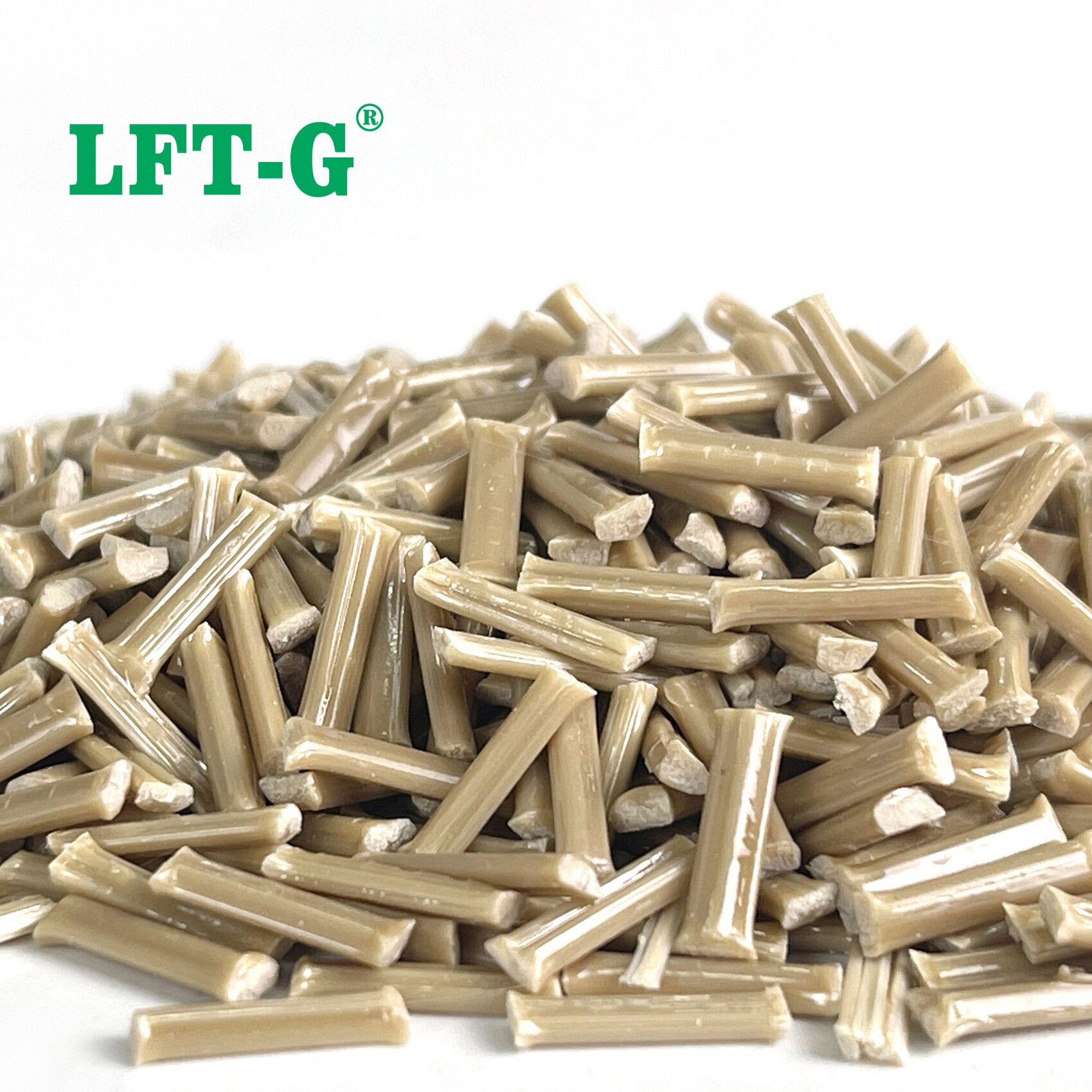
Polyphenylene Sulfide (PPS) used in high-voltage EV connectors

What Is PPS?

Polyphenylene Sulfide (PPS) is a high-performance, semi-crystalline engineering thermoplastic renowned for its exceptional heat resistance, chemical resistance, inherent flame retardancy, and outstanding dimensional stability.

Its highly rigid molecular structure—formed by alternating benzene rings and sulfur atoms—enables PPS to maintain excellent mechanical strength, electrical insulation, and dimensional accuracy even under prolonged exposure to harsh automotive, electrical, and industrial environments.

Although unfilled PPS already offers remarkable thermal and chemical performance, commercial PPS compounds are typically reinforced with 30–40% glass fiber or modified using carbon fiber, mineral fillers, or PTFE. These enhancements significantly improve stiffness, tensile strength, creep resistance, and dimensional stability while preserving PPS's outstanding resistance to heat, chemicals, and electrical stress.

Key Characteristics of PPS

  • Continuous service temperature up to approximately 220°C
  • Excellent resistance to automotive chemicals, fuels, oils, and battery electrolytes
  • Naturally flame retardant without halogenated additives
  • Extremely low moisture absorption for superior dimensional stability
  • Excellent electrical insulation suitable for high-voltage systems

Why PPS Is Ideal for High-Voltage EV Components

As electric vehicles transition from traditional 400V platforms to 800V and future 1,000V electrical architectures, the demands placed on engineering plastics continue to increase. PPS offers an outstanding balance of heat resistance, flame retardancy, electrical insulation, dimensional stability, and chemical durability, making it one of the industry's preferred materials for high-voltage electrical systems.

Compared with conventional engineering plastics, PPS delivers five critical advantages that directly address the challenges faced by next-generation EV electrical systems.

Five Reasons PPS Is Preferred

  • Excellent Heat Resistance

    Continuous operating temperatures up to 220°C allow PPS to maintain long-term mechanical integrity in high-voltage connectors, inverter housings, battery modules, and power electronics.
  • Inherent Flame Retardancy

    PPS naturally achieves UL 94 V-0 without requiring halogenated flame retardants, improving vehicle safety while supporting increasingly stringent environmental regulations.
  • Outstanding Dimensional Stability

    With an exceptionally low moisture absorption rate of only 0.03%, PPS maintains precise dimensional tolerances under hot and humid conditions, ensuring reliable insulation distances and connector performance.
  • Superior Electrical Insulation

    High-CTI PPS grades (CTI ≥ 600 V) offer outstanding resistance to electrical tracking and insulation degradation, making them ideal for 800V and future 1,000V electrical systems.
  • Exceptional Chemical Resistance

    PPS withstands prolonged exposure to battery electrolytes, coolants, transmission fluids, fuels, acids, alkalis, and automotive cleaning chemicals, ensuring excellent long-term durability throughout the vehicle's lifetime.

Thanks to this balanced combination of thermal, electrical, and chemical performance, PPS delivers exceptional long-term reliability under the demanding operating conditions of modern electric vehicles, making it one of the benchmark engineering plastics for next-generation high-voltage connector systems.

Core material properties that make PPS the preferred choice for high-voltage EV connector applications.

Key properties of PPS for high-voltage EV connectors

PPS in Five Key EV Applications

As EV platforms continue evolving toward 800V and future 1,000V architectures, PPS has become a trusted engineering plastic across a wide range of high-voltage electrical components thanks to its excellent balance of thermal, electrical, and mechanical performance.

1. High-Voltage Connectors

High-voltage connectors represent one of the fastest-growing applications for PPS. These components require exceptional insulation, flame resistance, dimensional precision, and long-term durability under demanding operating conditions.

Typical PPS Components

  • Connector housings
  • Terminal carriers
  • Insulation barriers

With CTI ≥ 600V, UL 94 V-0 flame retardancy, and an extremely low moisture absorption rate of only 0.03%, PPS helps maintain reliable insulation performance even under high temperatures, humidity, and continuous electrical stress.

2. Power Electronics & IGBT Modules

Power control units, inverters, and IGBT/SiC modules operate under continuous high temperatures while handling significant electrical loads. These demanding environments require engineering plastics that combine excellent thermal stability, electrical insulation, and long-term mechanical reliability.

Typical PPS Components

  • IGBT module housings
  • Busbar supports
  • Insulating frames

PPS provides continuous heat resistance up to 220°C, low dielectric loss for high-frequency electronics, and excellent mechanical strength when reinforced with glass fiber. These properties help ensure reliable operation throughout the service life of EV power electronics.

3. Battery Pack Components

Modern battery packs require lightweight materials that deliver excellent electrical insulation, flame resistance, dimensional accuracy, and long-term durability while supporting increasingly compact battery designs.

Typical PPS Components

  • Busbar insulation parts
  • Battery module supports
  • Terminal insulators
  • Structural brackets

PPS maintains excellent dimensional stability during laser welding and automated assembly while providing reliable insulation performance throughout the battery pack's operating life.

4. EV Charging Connectors

The rapid adoption of ultra-fast charging and liquid-cooled charging systems places increasingly stringent requirements on connector materials. High temperatures, frequent plug-in cycles, and outdoor environments demand exceptional durability.

Typical PPS Components

  • Charging gun housings
  • Terminal holders
  • Liquid-cooling fittings

PPS combines excellent hydrolysis resistance, stable electrical insulation, and outstanding dimensional precision, allowing charging connectors to maintain reliable performance after thousands of plug-in and unplug cycles.

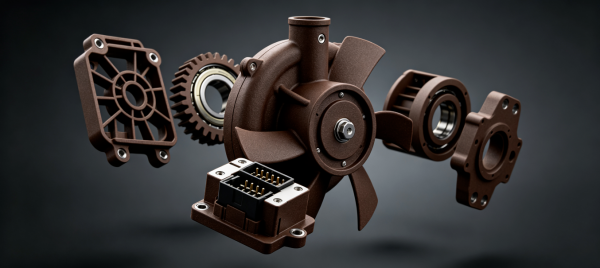
5. Electric Water Pumps & Thermal Management

Efficient thermal management is essential for extending battery life and maintaining the performance of electric vehicles. Electric water pumps continuously circulate glycol-based coolant under elevated temperatures and demanding operating conditions.

Typical PPS Components

  • Pump housings
  • Impellers
  • Rotor carriers
  • Coolant system components

Thanks to its exceptional chemical resistance and long-term thermal stability, PPS withstands prolonged exposure to hot coolant without sacrificing mechanical strength, dimensional stability, or sealing performance, making it an ideal material for EV thermal management systems.

PPS vs. Other Engineering Plastics for High-Voltage Connectors

PPS is not the only engineering plastic used in high-voltage connectors. Materials such as PA66, PBT, PPA, LCP, and PEEK all offer unique advantages for specific applications. However, when it comes to 800V and future 1,000V EV platforms, PPS provides one of the industry's best overall balances of performance, reliability, manufacturability, and cost.

Material Comparison

  • PPS vs. PA66 / PBT

    PA66 and PBT are more economical materials, but their lower heat resistance and significantly higher moisture absorption can reduce long-term dimensional stability and electrical reliability in high-voltage environments.
  • PPS vs. PPA

    PPA offers improved heat resistance compared with PA66, yet it still absorbs considerably more moisture than PPS, making PPS the preferred choice where precise connector dimensions and stable electrical insulation are required.
  • PPS vs. LCP

    LCP excels in ultra-thin-wall molding, exceptional flowability, and high-temperature performance. However, its relatively high cost, brittleness, and anisotropic shrinkage often limit its application in larger automotive components.
  • PPS vs. PEEK

    PEEK delivers industry-leading mechanical and thermal performance but at a substantially higher material cost. For most automotive high-voltage applications, PPS provides more than sufficient performance while offering a far better cost-to-performance ratio.

Ultimately, selecting an engineering plastic is about achieving the optimal balance rather than simply choosing the highest-performing material. By combining excellent heat resistance, inherent flame retardancy, outstanding electrical insulation, low moisture absorption, superior chemical resistance, and competitive cost, PPS has become one of the benchmark materials for next-generation EV high-voltage connector systems.

Conclusion

The most important materials in an electric vehicle are often the ones drivers never see.

Behind every safe and reliable EV lies a complex network of high-voltage electrical components that must perform flawlessly for years under extreme temperatures, high voltages, moisture, vibration, and aggressive automotive chemicals.

PPS is one of the key materials that makes this possible. While it may not match the ultra-premium performance of PEEK or the specialized molding capability of LCP in certain niche applications, its outstanding balance of heat resistance, flame retardancy, dimensional stability, electrical insulation, chemical resistance, and long-term reliability has made it one of the most trusted engineering plastics for modern electric vehicles.

Why PPS Continues to Lead

  • Excellent thermal stability for demanding EV environments
  • Reliable electrical insulation for 800V and future 1,000V systems
  • Outstanding resistance to automotive chemicals and battery electrolytes
  • Low moisture absorption for exceptional dimensional stability
  • Excellent balance of performance, manufacturability, and cost

As electric vehicles continue moving toward higher voltages, faster charging, and greater power density, PPS is expected to remain one of the industry's most important engineering materials, helping manufacturers build safer, more reliable, and more durable next-generation EV high-voltage systems.

뉴스 레터

-- 최신 토픽으로 업데이트 받기

저작권 © 2015-2026 Xiamen LFT composite plastic Co.,ltd..모든 권리 보유.

제품

 뉴스

접촉