
 이메일
이메일 한국의
한국의 English
 français
 Deutsch
 русский
 italiano
 español
 português
 العربية
 日本語
日本語 中文
中文


신에너지 자동차(NEV) 산업의 급속한 발전과 국가 차원의 "이중 탄소" 목표 추진으로 에너지 소비 감소, 배출가스 감축, 전기차 주행거리 연장은 자동차 혁신의 핵심 과제가 되었습니다. 차량 무게를 10% 줄이면 연료 소비를 다음과 같이 줄일 수 있습니다. 6%~8% 그리고 전기차 주행거리를 연장합니다 5%~10% . 그러므로, 자동차 경량화 이는 에너지 효율과 주행거리 성능을 향상시키는 가장 효과적인 전략 중 하나입니다.
자동차 경량화에서 복합재료의 역할
복합재료 높은 비강도, 낮은 밀도, 뛰어난 강성 및 강력한 설계 유연성으로 잘 알려진 이 소재들은 현대 자동차에서 기존 금속을 점차 대체하고 있습니다. 이 소재들은 다양한 분야에 널리 사용됩니다. 차체 구조, 섀시 시스템, 내부 인테리어, 파워트레인 부품 및 전기차 배터리 시스템 이는 산업이 효율적이고 저탄소이며 지속 가능한 제조 패러다임으로 전환하는 속도를 가속화합니다.
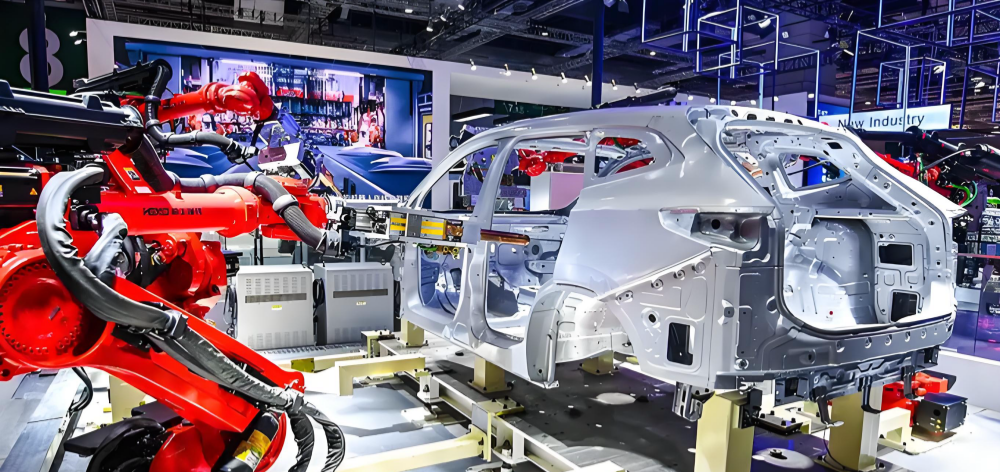
경량화의 장점
일반적인 자동차용 복합재료(다음 포함) CFRP(탄소섬유 복합재) , GFRP(유리섬유 복합재) , 그리고 현무암 섬유 복합재 —상당한 이점을 제공합니다:
- 밀도만 강철의 1/4~1/3 그리고 알루미늄 2/3
- 특정 강도 강철보다 5~6배 더 높습니다. 그리고 알루미늄보다 3~4배 더 높음
- 부품 무게 감소: 30%~60%
- 차량 총 중량 감소: 10%~30%
복합재료는 또한 뛰어난 성능을 제공합니다. 피로 저항성, 부식 저항성, 진동 감쇠 및 NVH 성능 유지 보수 비용을 절감하고 주행 편의성을 향상시킵니다.
차량 주요 시스템의 경량화 기술 적용
차량 차체 및 구조 부품
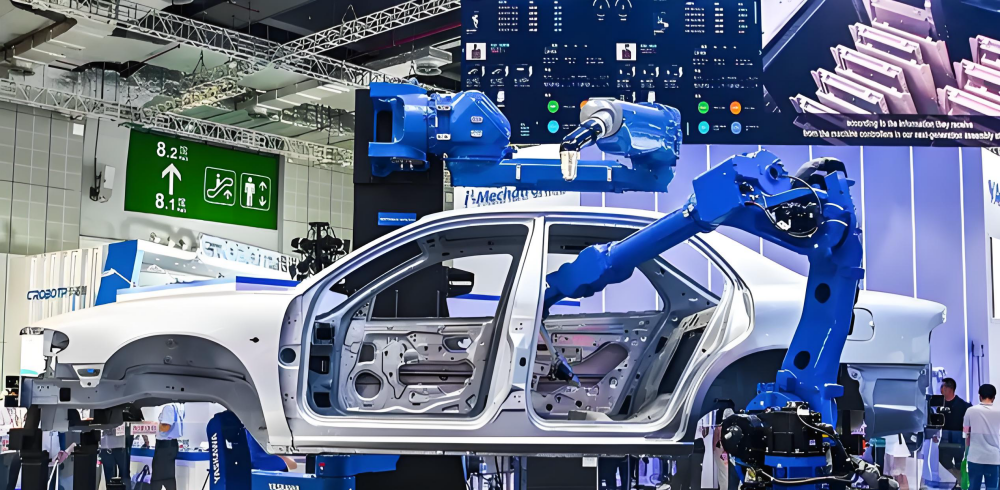
구조적 요소로는 다음과 같은 것들이 있습니다. 차체 프레임, 문, 보닛, 트렁크 덮개 CFRP 또는 GFRP로 성형할 수 있으며, 35%~50% 질량 감소 공기역학 및 강성을 향상시키면서. 예: CFRP 차체를 적용한 NEV는 다음과 같은 성과를 달성했습니다. 총 중량 22% 감소 그리고 주행 가능 거리 18% 증가 .
섀시 및 파워트레인 경량화
복합 소재 서스펜션 암, 드라이브 샤프트 및 휠 허브는 현가하질량을 줄이고 동적 성능을 향상시킵니다. 탄소 섬유 드라이브 샤프트는 다음과 같은 이점을 제공할 수 있습니다. 40% 무게 감소 그리고 5%~8% 더 높은 전송 효율 .
전기차 배터리 팩 경량화
배터리 팩 하우징은 다음으로 만들어졌습니다. 유리섬유 강화 에폭시 복합재료 제안 금액 50% 무게 감소 강철 대비 우수한 난연성, 내충격성 및 방수성을 제공합니다. 복합 소재 배터리 트레이와 결합하여 시스템 에너지 소비를 줄이고 전기차의 주행 거리를 늘립니다.
내부 경량화
복합재료는 널리 사용됩니다. 시트 프레임, 계기판 캐리어, 도어 내부 모듈 달성하다 25%~40% 무게 감소 복합 소재 시트 프레임은 다음과 같은 특징을 가질 수 있습니다. 50% 더 가벼워짐 강철보다 PP-GF 계기판 캐리어는 더 높은 곳에 도달할 수 있습니다. 30% 더 가벼워짐 무게 증가 및 방음 성능 향상.
미래 동향: 비용 절감 및 첨단 제조
재료 기술 발전
하이브리드 섬유, 변성 수지, 나노 필러, 바이오 기반/재활용 가능 복합재료와 같은 혁신 기술은 성능을 향상시키면서 비용을 절감합니다.
첨단 처리 기술
차세대 성형 및 가공 기술인 HP-RTM(고압 수지 이송 성형), AFP(자동 섬유 배치) 및 3D 복합재 프린팅은 복합재 부품의 효율적인 대량 생산을 가능하게 합니다.
비용 하락 추세
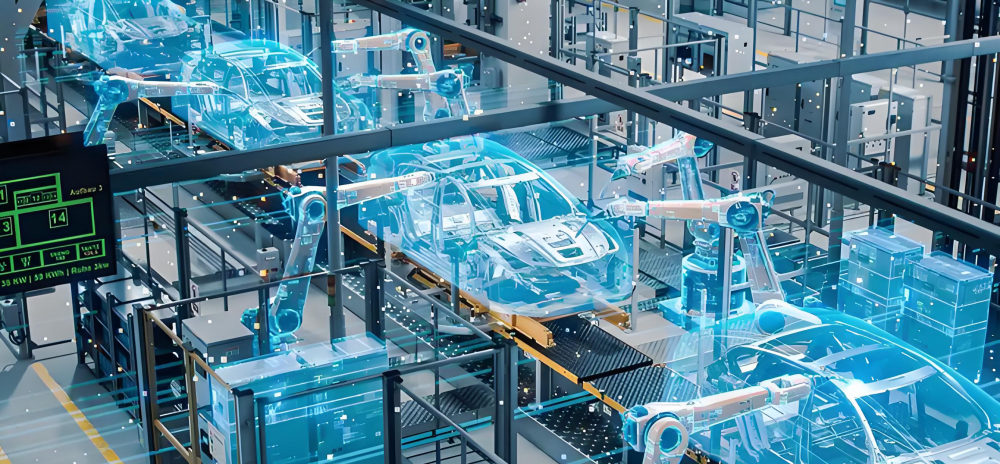
복합재료 비용은 감소할 것으로 예상됩니다. 향후 5~10년 내에 30~50% 이를 통해 중형 및 보급형 차량에 더욱 폭넓게 적용할 수 있습니다. 스마트 센싱 및 디지털 트윈 기술과 결합하여 전 생애주기 모니터링을 통해 신뢰성과 안전성을 더욱 향상시킬 수 있습니다.
결론
복합 소재는 자동차 경량화의 핵심 동력으로 자리 잡았습니다. 복합재료의 대규모 도입은 자동차 제조 방식을 혁신하고 있으며, 에너지 효율성, 구조적 성능 및 전기차 주행 거리를 향상시키고 있습니다. 기술이 발전함에 따라 복합재료는 고급화, 저탄소화 및 지속 가능한 개발을 향한 산업의 전환을 지속적으로 주도하며, 전 세계적인 탄소 중립 및 감축 목표 달성을 지원할 것입니다.