이메일
이메일 한국의
한국의 English
 français
 Deutsch
 русский
 italiano
 español
 português
 العربية
 日本語
日本語 中文
中文


-
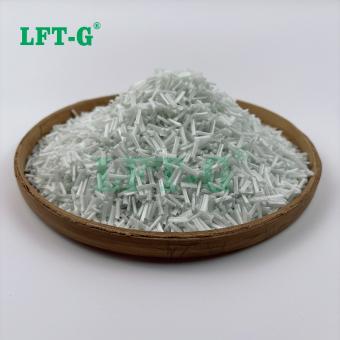
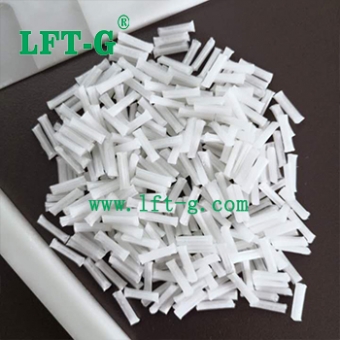
ABS 펠릿 유리 섬유ABS 사출 성형은 고온 고압 상태에서 용융된 ABS 플라스틱을 금형에 주입하는 공정입니다. ABS는 널리 사용되는 플라스틱으로 다양한 제품에서 찾아볼 수 있기 때문에 사출 성형이 적용되는 분야는 매우 많습니다. 자동차, 소비재 및 건설 산업 몇 가지 예를 들자면.더보기
-
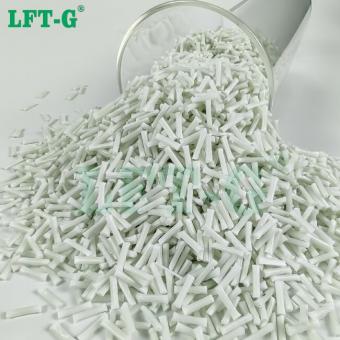
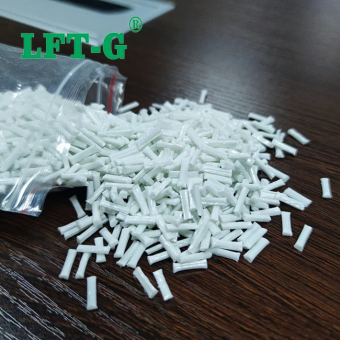
HDPE 사출 성형용 장섬유 유리 복합재당사의 장섬유 유리 강화 HDPE 소재는 다음과 같은 이점을 제공합니다. 탁월한 강도, 충격 저항성 및 치수 안정성 따라서 다음과 같은 경우에 이상적입니다. 구조 및 산업 응용 분야 경량성과 내구성을 고려하여 설계되었으며, 다양한 분야에서 널리 사용됩니다. 자동차, 물류 및 중장비 사출 성형 부품 .더보기
-
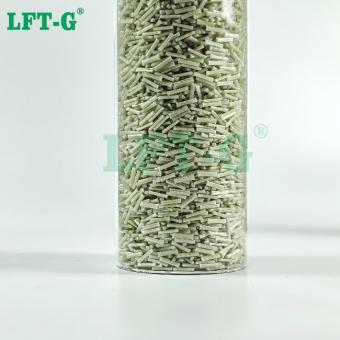
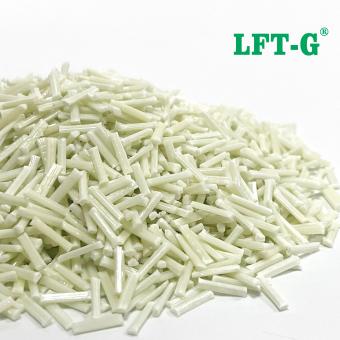
고온 저항성 PPA 유리 섬유 폴리머, 폭넓은 응용 분야폴리프탈아미드(PPA) 반결정성 방향족 폴리아미드입니다. 폴리아미드 또는 나일론 , 가족. 나일론 6/6과 비교하면, 더 강하고, 더 단단하며, 습기에 덜 민감하고, 단열 성능이 더 뛰어납니다. 또한, 상당한 저항력을 가지고 있습니다. 화학적 피로 그리고 기계적 크리프 .더보기
-
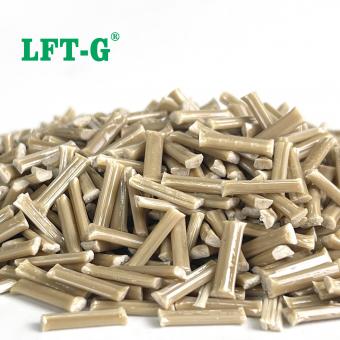
호모폴리머 폴리프로필렌 충진 장탄소섬유 사출 성형 고인성폴리프로필렌 , 또한 다음과 같이 알려져 있습니다. PP 폴리올레핀 또는 포화지방산입니다. 중합체 그것은 저밀도 열가소성 수지 ~와 함께 내열성이 우수함 PP의 다른 특징으로는 내화학성, 탄성, 인성, 피로 저항성 및 전기 절연성이 있습니다.더보기
-
폴리프로필렌(PP) 장탄소섬유 강화 고기계적 특성 폴리머그만큼 변성 폴리프로필렌 강화 소재 탄소 섬유 경량성, 높은 탄성률, 높은 비강도, 낮은 열팽창 계수, 고온 저항성, 내열충격성, 내식성, 우수한 진동 흡수성 등 여러 가지 장점을 가지고 있어 자동차 부품 등에 적용될 수 있습니다. 자동차 보조 계측기 조립체.더보기
-
폴리아미드 6 충전재, 장탄소 섬유 강화 열가소성 소재어떤 PA 소재가 적합한지 확신이 서지 않으시면, 필요한 사항을 알려주세요. 저희 팀에서 무료로 기술 지원을 제공해 드리겠습니다.더보기
-
폴리아미드 66 복합재료 장탄소섬유 강화 펠릿폴리아미드를 다른 소재보다 선호하는 이유는 용도에 따라 다릅니다. 전기 케이블 보호에 폴리아미드를 사용할 경우, PVC보다 성능, 유연성, 충격 저항성이 우수합니다. 자동차 산업에서는 금속보다 저렴하고 가볍기 때문에 사용됩니다. 기계 분야에서는 높은 유연성과 내구성 때문에 다른 소재보다 선호됩니다.더보기
-
폴리아미드 12 충진 장쇄 탄소 섬유 복합재는 자동차 부품에 높은 충격 저항성을 제공합니다.나일론은 섬유가 가늘지만 강하고 수년간 마모에도 견딜 수 있습니다. 이러한 내구성의 한 가지 이유는 합성 소재라는 점입니다. 나일론은 어떤 형태로든 성형할 수 있기 때문에 유연성이 요구되는 제품에 적합합니다. 나일론의 유연성은 천연 탄성에서 비롯됩니다.더보기
-
PLA 충전재 장탄소 섬유 강화 폴리락트산PLA 소재는 현재 생분해성 소재 분야에서 선도적인 소재입니다. 장쇄 탄소 섬유 강화 폴리락트산(PLA) 변성 소재 이는 미래 친환경 소재 분야에서 세계적인 이점으로 작용할 가능성이 높습니다.
- PLA 복합 친환경 소재
- PLA 장섬유 탄소 섬유는 높은 강성과 강도를 가지고 있습니다.
- 금속 대신 강화 폴리락틱 PLA 사용
- PLA로 개질된 긴 탄소 섬유
- 폴리락틱 분해성 소재
- 사출 성형 제품
태그 :
-
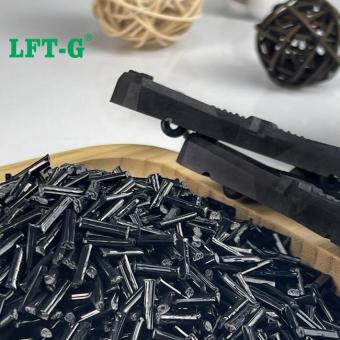
중국산 탄소 섬유 폴리페닐렌 설파이드 변성 화합물PPS는 우수한 치수 및 열 안정성, 최대 260°C에 이르는 넓은 작동 온도 범위, 그리고 뛰어난 내화학성을 갖춘 고성능의 견고한 엔지니어링 플라스틱입니다. 또한, 대부분의 열가소성 수지와 마찬가지로 PPS는 전기 절연체입니다. 이러한 특성 덕분에 고온 환경에서도 사용 가능합니다. 고온 PPS는 열 안정성과 더불어 다양한 용도에 매우 적합합니다. 기계, 베어링 및 밸브 시트에 사용되는 반도체 부품 .더보기
-
샤먼 LFT-G 장탄소섬유 강화 PEEK 복합재 사출 성형경량 자동차 부품용 PEEK 충전 장섬유 강화 열가소성 수지.
- PEEK 탄소 섬유 강화 펠릿
- 탄소 섬유 PEEK 과립 항공우주 자동차 부품
- 탄소 섬유 복합재 PEEK 과립
- 플라스틱 피크 탄소 섬유 폴리머 피크 수지
- 검정색 피크 카본 섬유 알갱이
- 검정색 PEEK 카본 파이버 플라스틱
태그 :
-
LFT-G PA6 폴리아미드6 나일론6 충전재 장섬유 유리 40가지 색상 (자동차 부품용)PA6 및 PA6-LGF 장섬유 강화 나일론 PA6, also known as Nylon 6, is a high-performance polyamide widely used in engineering plastics, fibers, and films. It is a thermoplastic polymer with repeating amide groups (-NH-CO-) in the main chain, offering strong mechanical properties and versatile processing capabilities. What is PA6 Plastic? PA6 is an aliphatic polyamide that provides excellent strength, wear resistance, and chemical resistance to weak acids, alkalis, and certain organic solvents. Its lightweight and processable nature make it widely applied in fibers, engineering plastics, and thin films. However, the polar amide groups in PA6 easily form hydrogen bonds with water molecules, which can result in high moisture absorption, dimensional changes, and reduced impact strength in dry or low-temperature conditions. Advantages of PA6 High mechanical strength and toughness with excellent tensile and compressive properties Outstanding fatigue resistance, maintaining strength after repeated bending High softening point, heat resistant Low friction and wear-resistant surface Corrosion resistance to alkalis, salts, weak acids, oils, and most solvents Self-extinguishing, non-toxic, odorless, and good weather and biological resistance Excellent electrical insulation even in high humidity environments Lightweight, easy to dye, and easy to mold due to low melting viscosity Limitations of PA6 High moisture absorption (up to 3% when saturated) Poor light and thermal stability; prolonged high-temperature exposure may cause discoloration and surface cracking Strict injection molding requirements; trace moisture can affect product quality Dimensional stability is sensitive to thermal expansion and wall thickness variations Not resistant to strong acids or oxidizing agents; unsuitable for acid-resistant applications Why Reinforce PA6 with Long Glass Fiber? To overcome the natural limitations of PA6, long glass fiber (LGF) reinforcement is applied. PA6-LGF composites combine the lightweight, chemical, and heat resistance of PA6 with the mechanical strength and dimensional stability of long glass fibers. LGF reinforcement improves tensile, compressive, and flexural strength, reduces shrinkage, enhances fatigue resistance, and provides improved thermal and chemical stability. This makes PA6-LGF ideal for high-performance structural components. Applications of PA6-LGF PA6 reinforced with 30% long glass fiber (30% LGF) is widely used in: Power tool shells and components Engineering machinery parts Automobile structural and functional components The composite improves mechanical strength, dimensional stability, heat resistance, aging resistance, and fatigue resistance. Its fatigue strength can be up to 2.5x that of unreinforced PA6. Processing and Forming Tips for 30% PA6-LGF Shrinkage is reduced to ~0.3% compared with 1–1.5% for pure PA6. Excessive fiber content may cause surface floating fibers and poor compatibility. 30% LGF is recommended for balanced performance. Recycled material content should be kept below 25% to avoid color and mechanical property degradation. Gradual cooling after molding prevents warping due to fiber orientation during injection molding. Mold design, gate position, and temperature control are critical. Customers & Staffs Certificates더보기